The Grief Nobody Calls Grief
10 min read
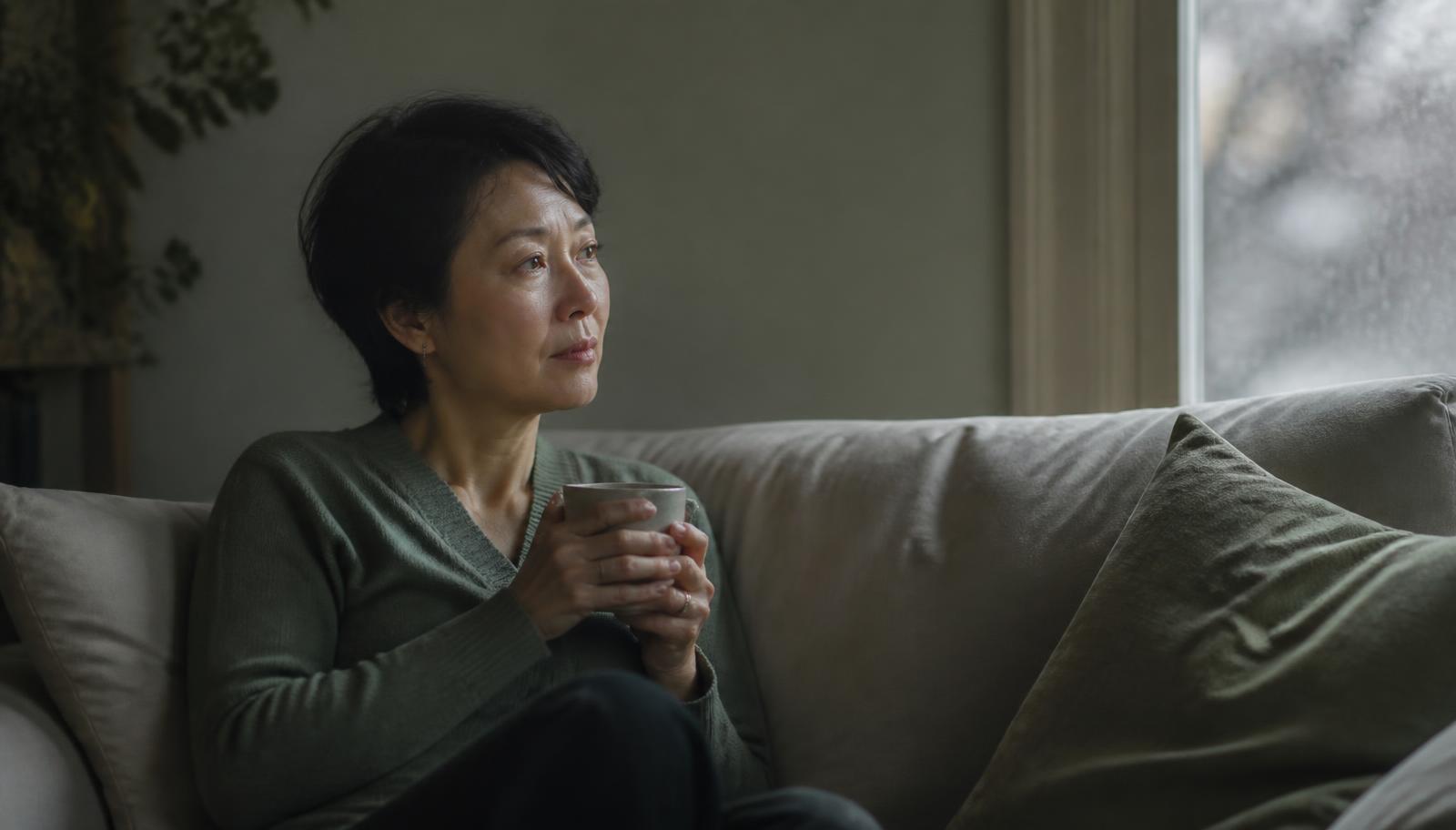
Somewhere in your forties the losses start arriving in clusters. A parent gets a diagnosis. A friend dies, and it stops being unthinkable. A marriage ends or quietly rearranges itself. A child who used to climb into your lap now communicates in door closures.
Some of these get recognised as grief. Most don't.
Ambiguous loss
There's a name for the kind of loss where the person is still here but the relationship you had with them isn't: ambiguous loss. A parent with dementia. A sibling you've become estranged from. A marriage that's technically intact. Nobody sends a card. There's no ritual, no accepted permission to fall apart, and so the feeling goes underground and comes out sideways, as irritability, insomnia, or a flatness you can't explain.
Naming it helps more than it sounds like it should. What you're feeling isn't overreaction. It's grief without a container.
Caregiver burnout is not a personality failure
If you're managing appointments for a parent while managing a teenager while managing your own body doing something new every month, the exhaustion is not evidence that you're bad at this. Sandwich caregiving is a structural problem being solved privately by individual women.
Practical things that genuinely reduce load: - Write down the logistics so they live outside your head. - Divide by task, not by good intentions, with anyone else involved. - Accept help in specific units (a Tuesday, a phone call, a lift) because vague offers never convert. - Book one thing each week that exists purely for you and is not negotiable.
Rebuilding, eventually
Reinvention gets marketed as a triumphant montage. In real life it's slower and duller: you try things, most are wrong, and gradually you notice you've become someone who does this now. That's the whole process.
Give it more time than feels reasonable. Tell one person the true version. And if the weight doesn't shift, if it's been months and nothing lifts, that's the point to talk to a professional, not a sign you've failed at coping.
Please read: this is general wellness perspective from one woman to another, not medical or mental health advice, and not a substitute for knowing your own history. For anything urgent, or anything that worries you, please see a doctor or a licensed professional.
Was this helpful?
Ask Jess
Got something you can't ask anyone else?
Send it privately. Anonymously if you'd rather. Nothing is ever published without your say-so.
Ask a question