Why the Anxiety Arrives at 3am
9 min read
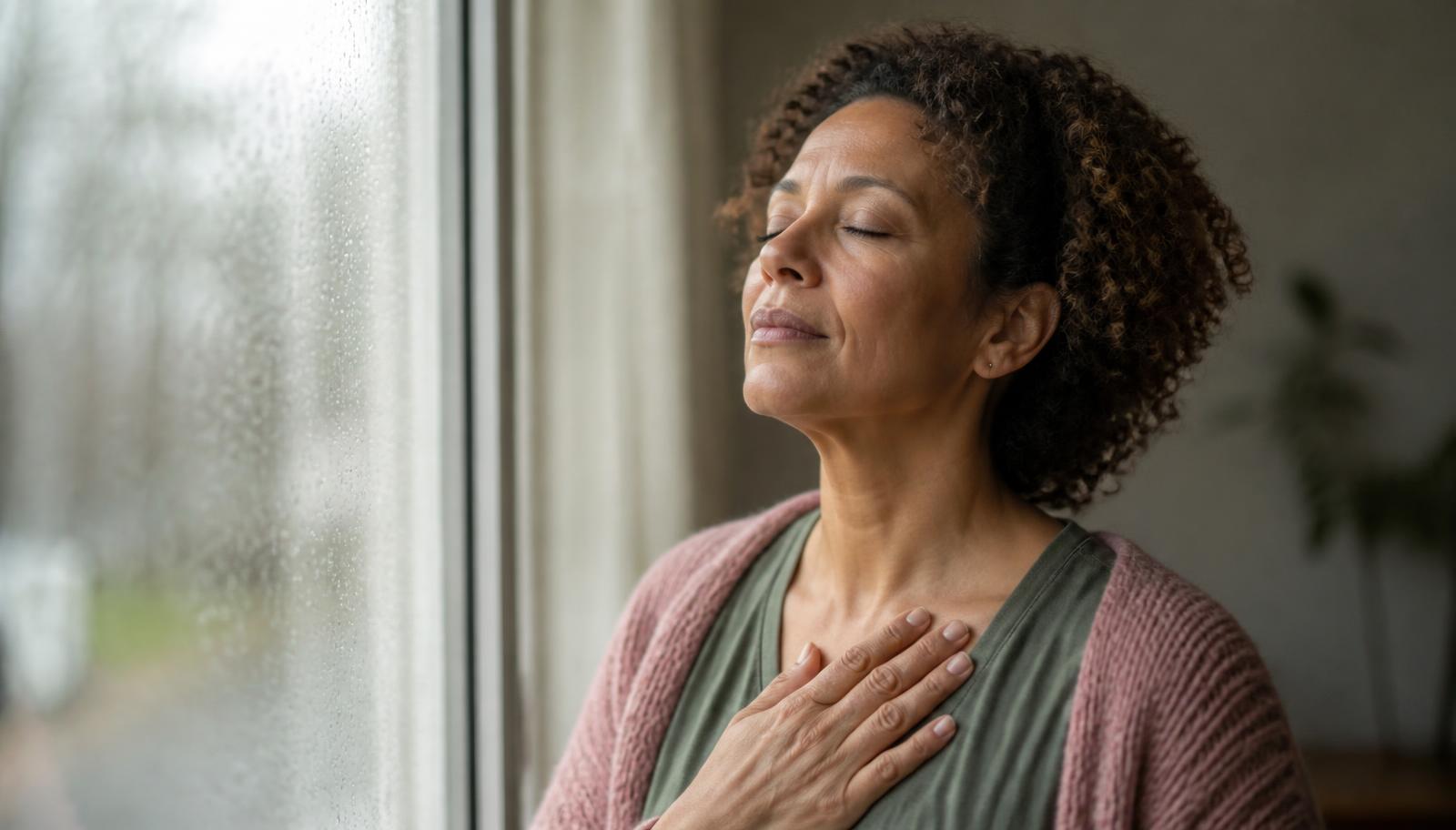
A very common story: a woman in her mid-forties who has never been especially anxious starts waking at three in the morning with her heart going, convinced something is wrong. By morning she's fine, and slightly embarrassed.
What's going on
Estrogen and progesterone both interact with mood-regulating systems. Estrogen influences serotonin availability; progesterone's metabolite allopregnanolone acts on GABA receptors, the same calming system that benzodiazepines and alcohol act on. When those hormones swing rather than sit steady, the systems that keep anxiety in the background become less reliable.
Add fragmented sleep from night sweats, and you have a nervous system operating without its usual buffer.
Things that help, in rough order of leverage
- Sleep. Treat night sweats and early waking as a medical issue rather than an inconvenience.
- Alcohol. It reliably worsens both flushes and 3am waking in this decade, even at amounts that were previously fine.
- Daily movement, especially outdoors and early.
- Reducing stimulant load, caffeine after noon behaves differently now.
- CBT, which has good evidence for both anxiety and vasomotor symptom distress.
- Medical options, hormonal or non-hormonal, discussed with someone who knows this territory.
The reframe worth keeping
Feeling anxious in perimenopause is not the beginning of a personality change. It's frequently a physiological state with physiological inputs, and states are more workable than identities.
If anxiety is severe, persistent, or accompanied by hopelessness, please talk to a doctor or licensed mental health professional. This is general perspective, not treatment.
Please read: this is general wellness perspective from one woman to another, not medical or mental health advice, and not a substitute for knowing your own history. For anything urgent, or anything that worries you, please see a doctor or a licensed professional.
Was this helpful?
Ask Jess
Got something you can't ask anyone else?
Send it privately. Anonymously if you'd rather. Nothing is ever published without your say-so.
Ask a question