Joint Pain, Morning Stiffness, and Estrogen: Why Everything Suddenly Aches
6 min read
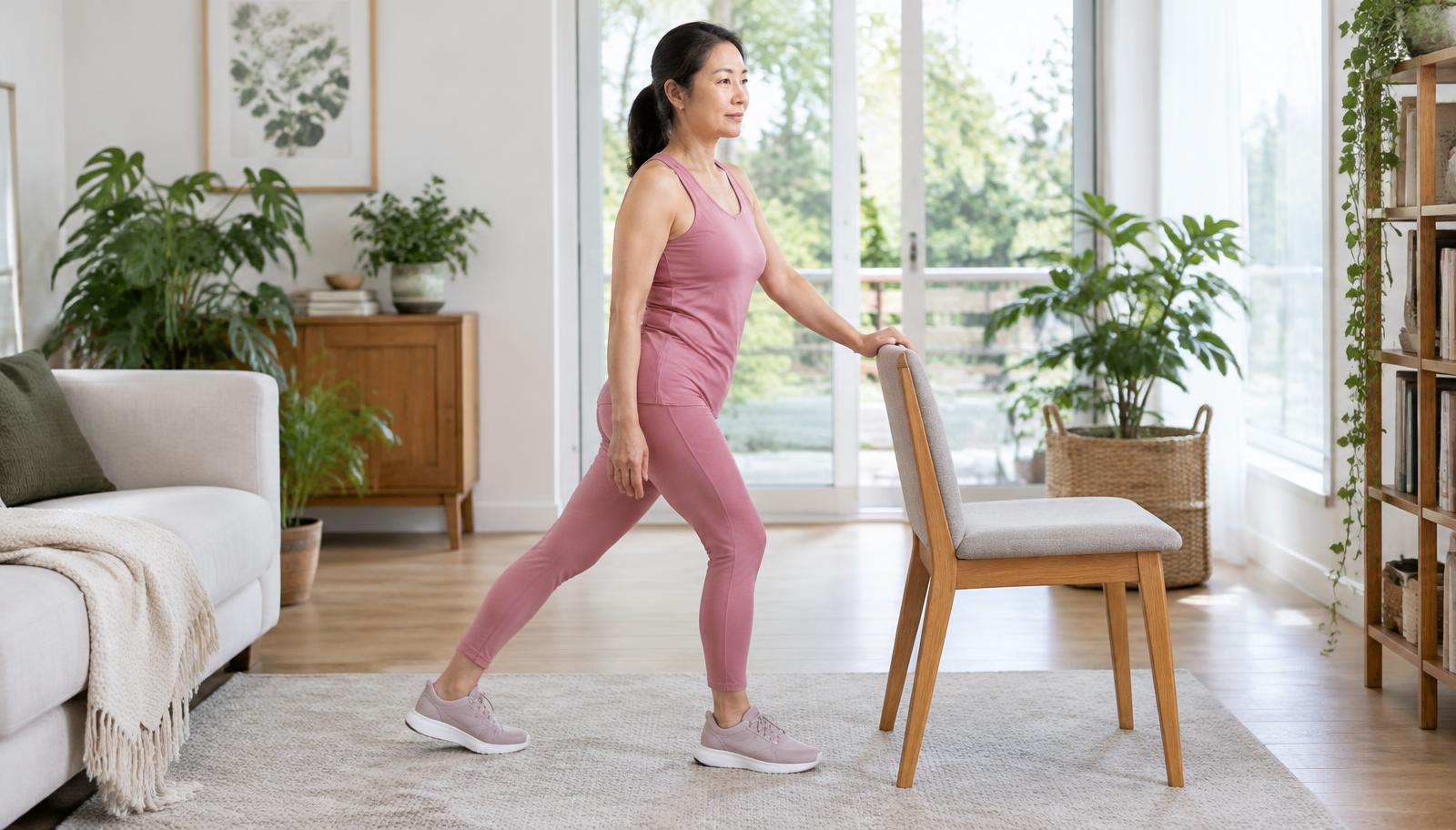
You get out of bed and your knees would like a word. Your fingers feel stiff around the coffee mug. The first trip downstairs comes with sound effects nobody asked for.
If this is new in your forties or fifties, it's worth paying attention. Not panicking. Not deciding your walking days are over. Just paying attention.
Joint aches are commonly reported around menopause. That does not mean every sore knee is hormonal, or that you have to put up with it because of your age.
Where estrogen fits in
Estrogen has roles in joint tissues and in how the body regulates inflammation and pain. As hormone levels change, some women notice more aching or stiffness. Researchers are still working out exactly how much of that is caused by the hormone changes themselves.
Other things arrive in the same decade: previous injuries start making themselves known, muscle strength can decline, and osteoarthritis becomes more common. Broken sleep can also make pain feel louder. It's often several things, not one tidy explanation.
You do not need to prove that estrogen is the culprit before asking for help. Describe what hurts, when it started, and what it stops you doing.
And the knees that predict rain?
Some people swear their joints know a storm is coming. Research on weather and joint pain is mixed. Your experience is worth noting, but the forecast cannot tell you what's causing the pain.
Neither can a social media checklist. A sore shoulder might involve a tendon, a joint, or something else entirely. Calling everything menopause can delay care that would actually help.
Start with movement that feels manageable
When something aches, staying still can feel sensible. Brief rest after a flare can help, but avoiding movement altogether often leaves you stiffer and less confident.
Give mornings a softer start. Before rushing downstairs, try a few slow ankle circles, opening and closing your hands, and gently bending and straightening your knees. Stay within a comfortable range. You're warming up, not passing a flexibility test.
Keep walks small enough to repeat. A short walk on level ground may feel better than one long outing that leaves you sore for days. If walking is uncomfortable, swimming or a stationary bike may be worth trying, depending on what your joints tolerate.
Build strength gradually. Stronger muscles help support joints. A physical therapist can help you choose exercises and adjust the load, especially if you have an injury, osteoporosis, or pain that's changing the way you move. You do not have to jump straight into heavy weights to make a useful start.
Sharp pain, new swelling, or pain that keeps building is not a cue to push harder. Stop and get advice. If an activity consistently leaves you worse the next day, scale it back and discuss the pattern with a clinician.
A few comforts, without a shopping spree
Gentle warmth may ease stiffness. A cold pack wrapped in a towel may help after a sore flare. Protect your skin and keep applications brief. Neither replaces an assessment when pain is new or persistent.
Supportive shoes, breaks from sitting, and a less frantic morning can also make a difference. You do not need a joint detox, an expensive supplement bundle, or a food rule that makes dinner miserable.
If you're considering pain medicine, ask a pharmacist or doctor what is safe with your health history and other medications. Even common medicines can be unsuitable for some people.
What to bring to your appointment
For a week or two, jot down which joints hurt, roughly how long morning stiffness lasts, whether there's swelling, and what helps or worsens it. Mention changes in sleep, periods, hot flashes, and any recent illness or injury.
Ask: "Could this be related to menopause, arthritis, or something else? Would physical therapy help?"
Hormone therapy may improve joint symptoms for some women, but it is not a guaranteed joint pain treatment. The decision needs a conversation about your overall symptoms, health history, benefits, and risks. Starting hormones just to fix a knee is not a shortcut around finding out why it hurts.
When not to wait
Get urgent medical care for a suddenly hot, red, swollen joint, especially with fever or feeling unwell. Severe pain after an injury or being unable to bear weight also needs prompt assessment.
Book a regular appointment if pain persists, disturbs your sleep, limits daily life, or comes with swollen joints or prolonged morning stiffness. Those symptoms deserve a proper look, not a shrug about getting older.
You still get to be a moving person
An aching body can make your world smaller before you notice. You stop taking the stairs, decline the walk, and start wondering whether this is just how things are now.
It doesn't have to be the end of those things. Finding the cause, getting support, and building movement back gradually can give you options again. Your joints deserve care. So does the woman attached to them.
Please read: this is general wellness perspective from one woman to another, not medical or mental health advice, and not a substitute for knowing your own history. For anything urgent, or anything that worries you, please see a doctor or a licensed professional.
Was this helpful?
Ask Jess
Got something you can't ask anyone else?
Send it privately. Anonymously if you'd rather. Nothing is ever published without your say-so.
Ask a question